Think of a time when you did an activity simply because you wanted to do it—perhaps weeding your garden on a quiet morning, losing yourself in a great book, taking a long walk, or rearranging a room in your home. Your motivation arose entirely from within. You likely felt a sense of quiet joy, deep concentration, or simple satisfaction in the very act of what you were doing. In those moments, you felt a sense of meaning, purpose, and personal accomplishment.
This is the essence of intrinsic motivation: engaging in a behavior because it is personally rewarding and fulfilling, rather than to earn an external reward or avoid a punishment.
Now, contrast that with the feeling of having to do something. Imagine those exact same activities, but with a different driving force: weeding the garden because of strict neighborhood association rules, reading a book to keep up with an obligatory assignment, taking a walk to meet a rigid workplace challenge, or rearranging furniture solely to stage your home for a potential buyer.
When we are driven by extrinsic factors, the internal experience changes entirely. The joy of the process is often replaced by the pressure of the outcome.
At Spondeo Montessori School, our daily work with children is designed to protect and cultivate this natural, internal spark.
Why Intrinsic Motivation Matters in the Classroom
In the Montessori tradition, we do not view children as empty vessels to be filled, nor as passive learners to be coaxed with carrots and sticks. Instead, we recognize that children are born with an innate desire to explore, understand, and master their environment.
Intrinsic motivation relies on three primary pillars:
- Autonomy: The freedom to act independently and make meaningful choices.
- Purpose: The feeling that one’s efforts have a genuine impact on the community.
- Mastery: The deep satisfaction of acquiring a new skill through dedication and practice.
When children experience these three elements, they develop a robust growth mindset. They learn to view mistakes not as failures, but as natural steps in the learning process. This builds what psychologists call cognitive hardiness—the emotional and mental resilience to face challenges, persevere through difficulties, and try again with confidence.
The Hidden Trap of Extrinsic Motivators
In modern parenting and traditional education, children are often surrounded by a constant stream of external motivators. These range from negative consequences, like reprimands or time-outs, to seemingly positive incentives, like sticker charts, grades, and continuous verbal praise (such as saying "Good job!" to every minor action).
While these incentives can produce short-term compliance, research consistently shows that they can hinder long-term emotional and academic growth.
In his landmark book, Punished by Rewards, author Alfie Kohn explains that external incentives fail over time and can inadvertently diminish a child's natural interest in an activity. When a child's efforts are constantly met with external praise, the focus shifts. The activity itself is no longer valuable; it becomes merely a means to an end—securing the adult's approval.
Consider the research of educational psychologist Mary Budd Rowe, who studied the effects of teacher praise. She found that students who were frequently praised by their teachers often spoke in a more hesitant voice, backed away from their ideas the moment an adult disagreed, were less likely to persevere with difficult problems, and hesitated to share ideas with their peers.
Similarly, studies on social development show that children who receive frequent material rewards or praise for helping others actually show less spontaneous generosity over time. The external reward displaces the natural, warm feeling of contributing to the community.
How We Foster Intrinsic Motivation at Spondeo
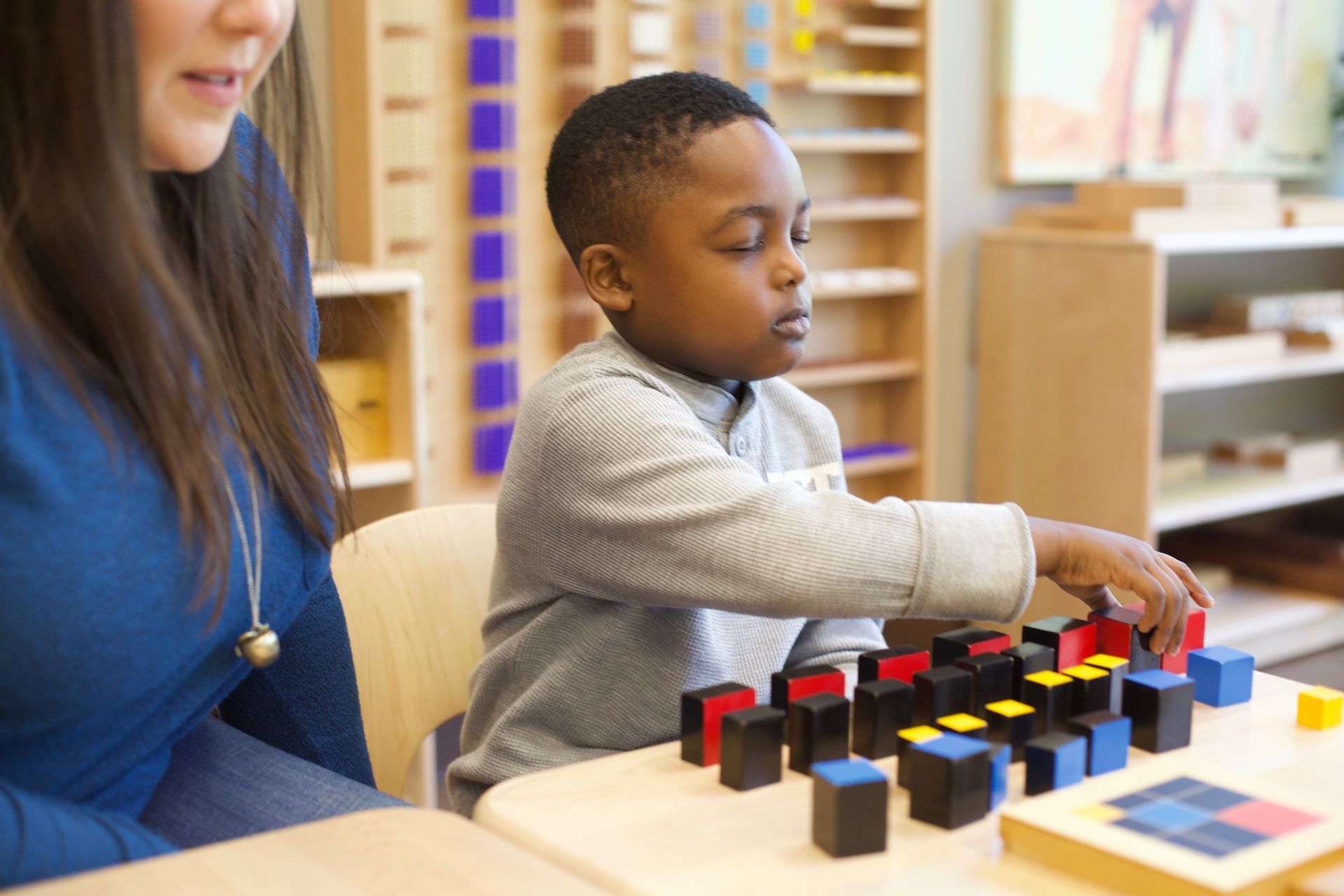
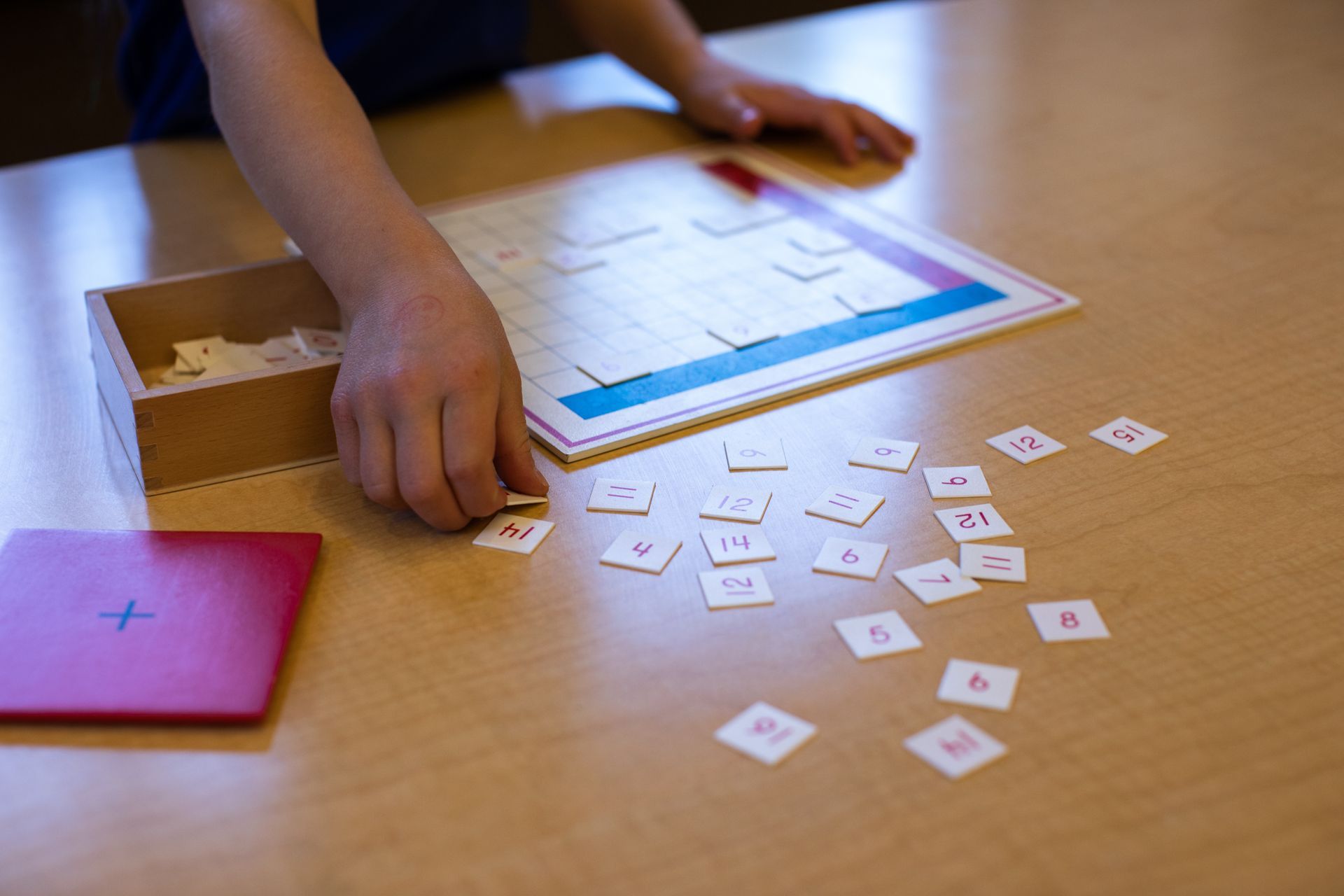
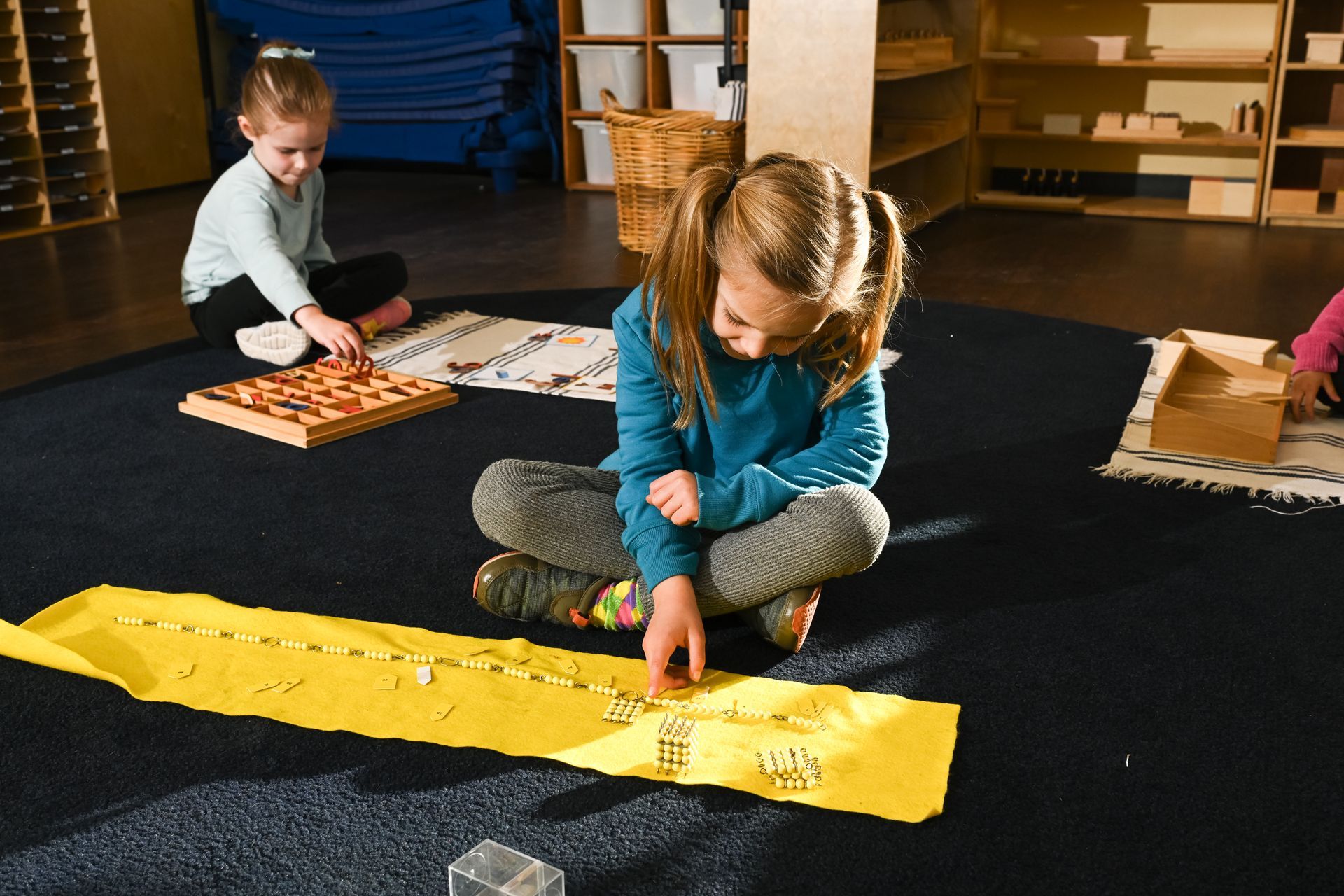
Walk into any of our prepared environments in Gilbert, and you will see this philosophy in action. Rather than utilizing gold stars, behavior charts, or external prizes, we support the child's inner drive through thoughtful, daily practices:
- Constructive Feedback Over Evaluation: Instead of evaluating a child's work with "Good job!" or "That’s beautiful," our guides use descriptive, encouraging language that keeps the ownership of the work with the child. We might say, "You worked on that map for a long time today," or "I noticed you tried three times before you got those pieces to fit. How did it feel when it came together?"
- Freedom of Choice: Children are allowed to select work that meets their developmental needs and interest level. Because they choose the work, they are naturally invested in completing it.
- Real-World Purpose: In a Montessori classroom, children participate in practical life activities that genuinely support the community—like preparing snack, watering plants, or helping a classmate. The reward is built directly into the utility of the task.
Supporting Intrinsic Motivation at Home
Fostering this sense of internal drive at home does not require rewriting your entire parenting routine. It simply requires a slight shift in perspective. Here are a few ways to mirror these values in your daily life:
- Shift Your Praise: Try describing what you see rather than judging it. Instead of "You are the best helper," try saying, "Thank you for carrying the groceries inside. It made our unpacking go so much faster."
- Focus on the Process, Not Just the Product: When your child shows you a drawing, ask them about it rather than immediately labeling it "perfect." Try: "Look at all the green lines you used here. Tell me about this part."
- Involve Them in Meaningful Work: Allow your child to participate in real household tasks—such as washing vegetables, setting the table, or feeding a pet. Resist the urge to fix their mistakes immediately; the process of practicing is far more valuable than a perfect result.
A Foundation for a Lifetime
When a child is intrinsically motivated, they learn to do the right thing because it feels personally satisfying and socially responsible, not because someone is watching or offering a reward. They develop a quiet pride in their accomplishments and the emotional resilience to navigate setbacks. These qualities are not just classroom tools; they are essential life skills that serve children well into adulthood.
If you are curious about what a community of intrinsically motivated learners looks like, we invite you to see it for yourself.