Have you ever wondered how the Montessori approach got its start? Many families in our Gilbert and Chandler communities know that Montessori education is named after its founder, but the story of how it began is truly inspiring.
Understanding the origins of this approach sheds light on why our Primary and Elementary classrooms at Spondeo Montessori School look and function the way they do today.
Here is a brief look at the life of Dr. Maria Montessori and how her pioneering scientific work revolutionized early childhood education.
A Trailblazing Pioneer
Maria Montessori was born in Italy on August 31, 1870. An exceptional and determined student, she decided to apply to the University of Rome to study medicine—a field almost entirely closed to women at the time. Despite facing significant discrimination, she persevered and graduated to become one of Italy's very first female physicians.
After graduating, Dr. Montessori worked in pediatric psychiatry, where the first seeds of the Montessori method were planted.
The children in her charge were cognitively impaired and largely written off by society. Believing that these children possessed untapped potential, Dr. Montessori became a fierce advocate for them. She began designing specialized sensory learning materials to help them engage with the world—materials that evolved into the hands-on works our students use at Spondeo every day.
Casa dei Bambini: The First Children’s House
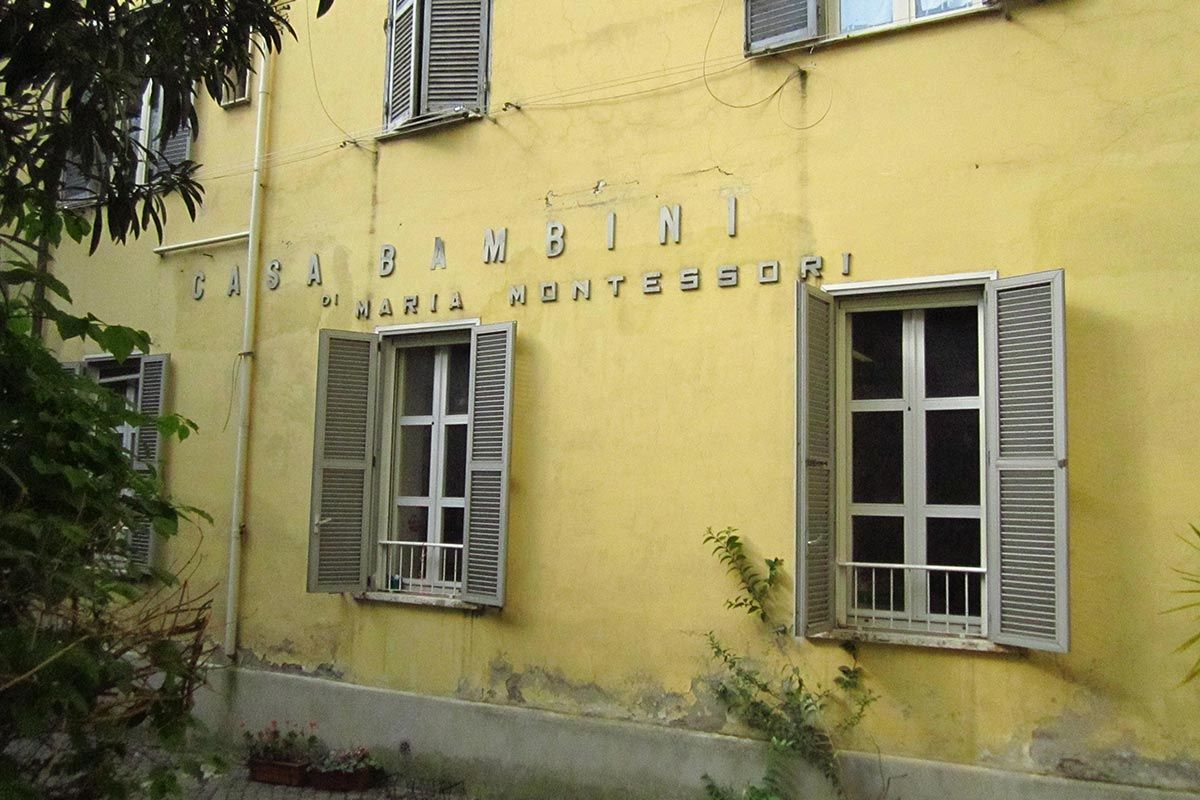
In 1907, Dr. Montessori opened a quality child care center in a lower-income district of Rome. She named it Casa dei Bambini ("Children’s House"), marking the official birth of the first Montessori school.
Approaching education through the lens of a trained scientist and physician, Dr. Montessori spent countless hours conducting meticulous observations of the children. She noticed several revolutionary truths about how children naturally learn:
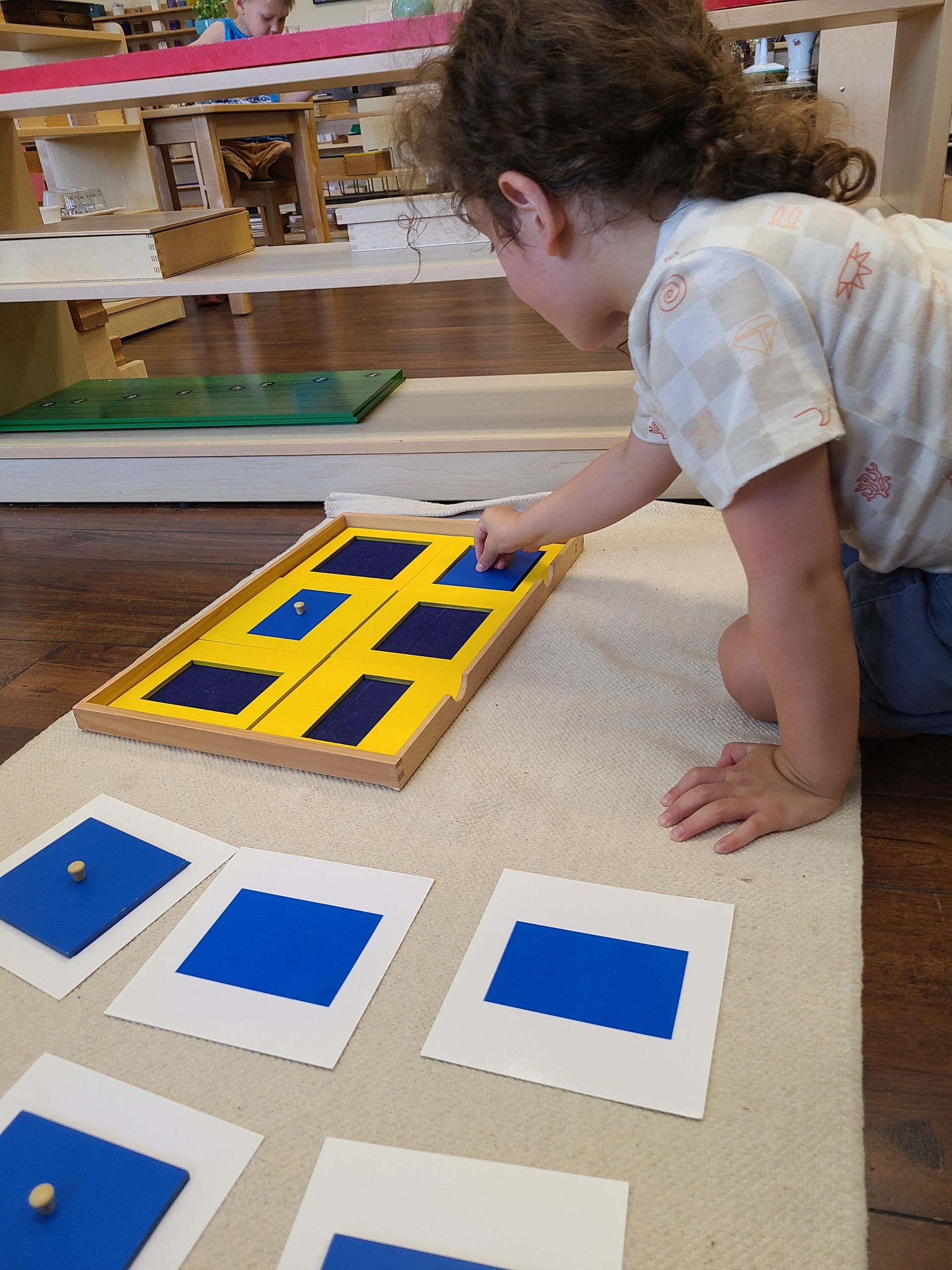
- Deep Focus: Children are capable of remarkable, sustained concentration when allowed to choose independent work that aligns with their developmental stage.
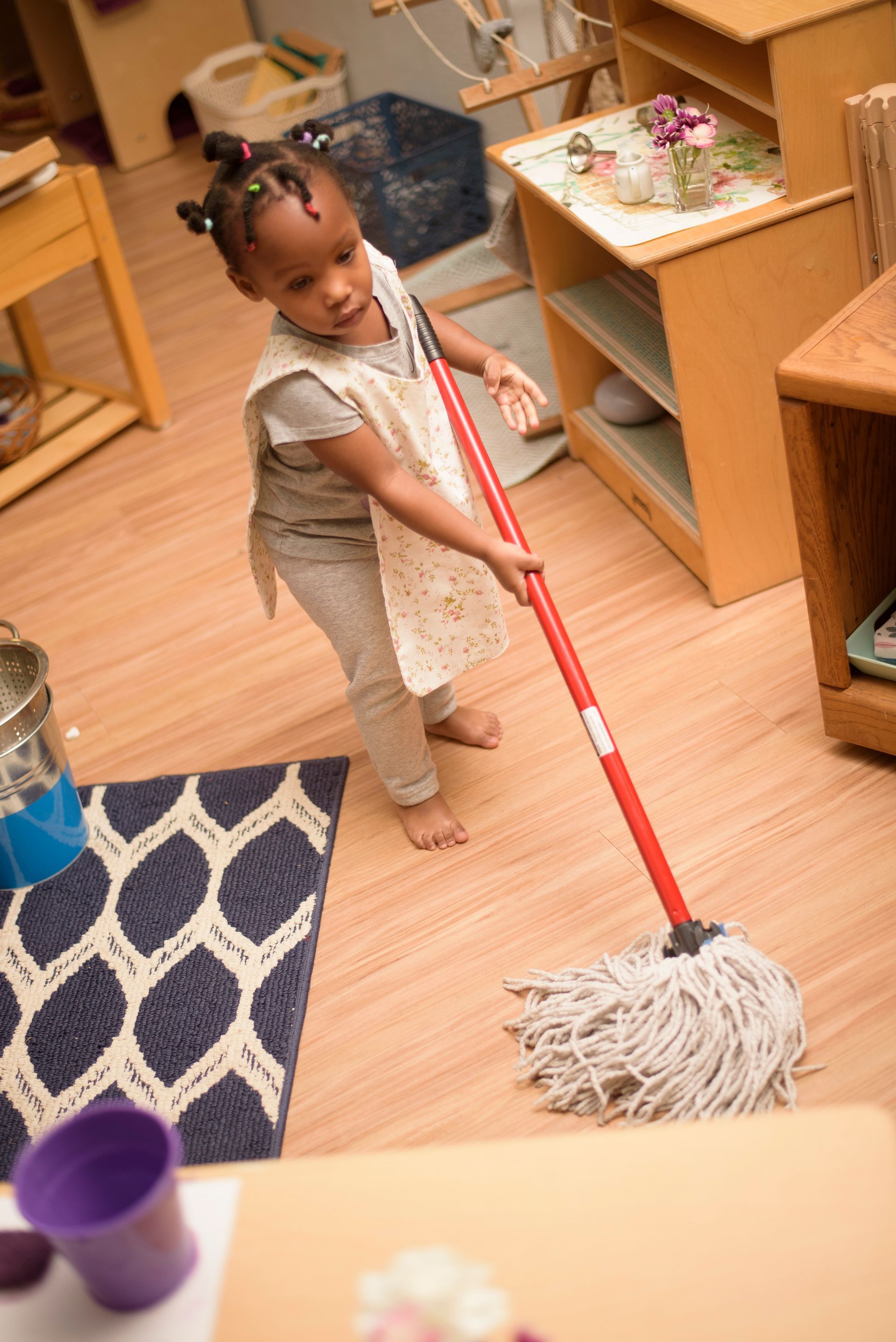
- Love for Practical Work: Children prefer real, purposeful activities—such as preparing food, pouring, and caring for their environment—over artificial play.
- The Absorbing Mind: Children absorb knowledge effortlessly directly from the rich stimuli available in their physical environment.
- Intrinsic Motivation: Children thrive when given self-correcting materials that allow them to accomplish tasks independently, without needing constant adult intervention or external rewards.
A Global Educational Movement
The overwhelming success of Casa dei Bambini captured international attention. Educators and leaders from around the world traveled to Rome to observe Dr. Montessori’s methods, and schools began opening globally.
Over time, Dr. Montessori expanded her research beyond early childhood to cover elementary and adolescent development, creating her famous framework known as the Planes of Development. This holistic continuum informs our work at Spondeo as we guide children from preschool and kindergarten through their elementary years.
In the mid-20th century, two main organizations emerged in the United States to support and preserve this work:
- AMI (Association Montessori Internationale): Founded directly by Dr. Montessori and her son, Mario, to preserve the integrity of her original principles.
- AMS (American Montessori Society): Founded in the 1960s to support the growth of Montessori education across American culture.
Today, core Montessori principles—such as child-sized furniture, hands-on learning tools, and multi-age classrooms—have influenced modern education around the globe.
Seeing the History Come to Life
Over a century later, Dr. Montessori’s scientific observations remain as relevant as ever. When you walk through the doors at Spondeo Montessori School, you see her legacy in action: children choosing their own work, mastering practical life skills, and developing a lifelong love for learning in a peaceful, prepared environment.
Whether you are exploring preschool options, looking into kindergarten, or interested in our enrolling Elementary program, we would love to show you how this time-tested method supports your child's growth.
Schedule a tour today!