Young children are sensory-motor learners. Long before they use words, they explore the world through movement and touch. Think of a baby mesmerized by their own hands and feet—stretching, gripping, and staring in quiet wonder.
These early interactions are more than sweet milestones; they are feedback loops that teach a child where their own physical self ends and the rest of the world begins.
What Is Body Schema?
Body schema is the internal, unconscious awareness of our physical body and how its parts relate to one another in space.
From the sensation of fabric against skin to the pressure of touching a blanket, sensory experiences help infants map their physical boundaries. A healthy body schema connects mind and body, allowing children to move with intention, coordination, and control.
How Body Schema Develops Over Time
Body awareness begins earlier than most parents realize:
- In Utero (12+ Weeks): Unborn babies begin sensing movement, feeling amniotic fluid, and bringing hands to their mouth.
- Infancy (0–12 Months): Rapid mapping occurs during daily care—feeding, bathing, holding, and massaging—as well as milestone transitions from slithering and crawling to standing and walking.
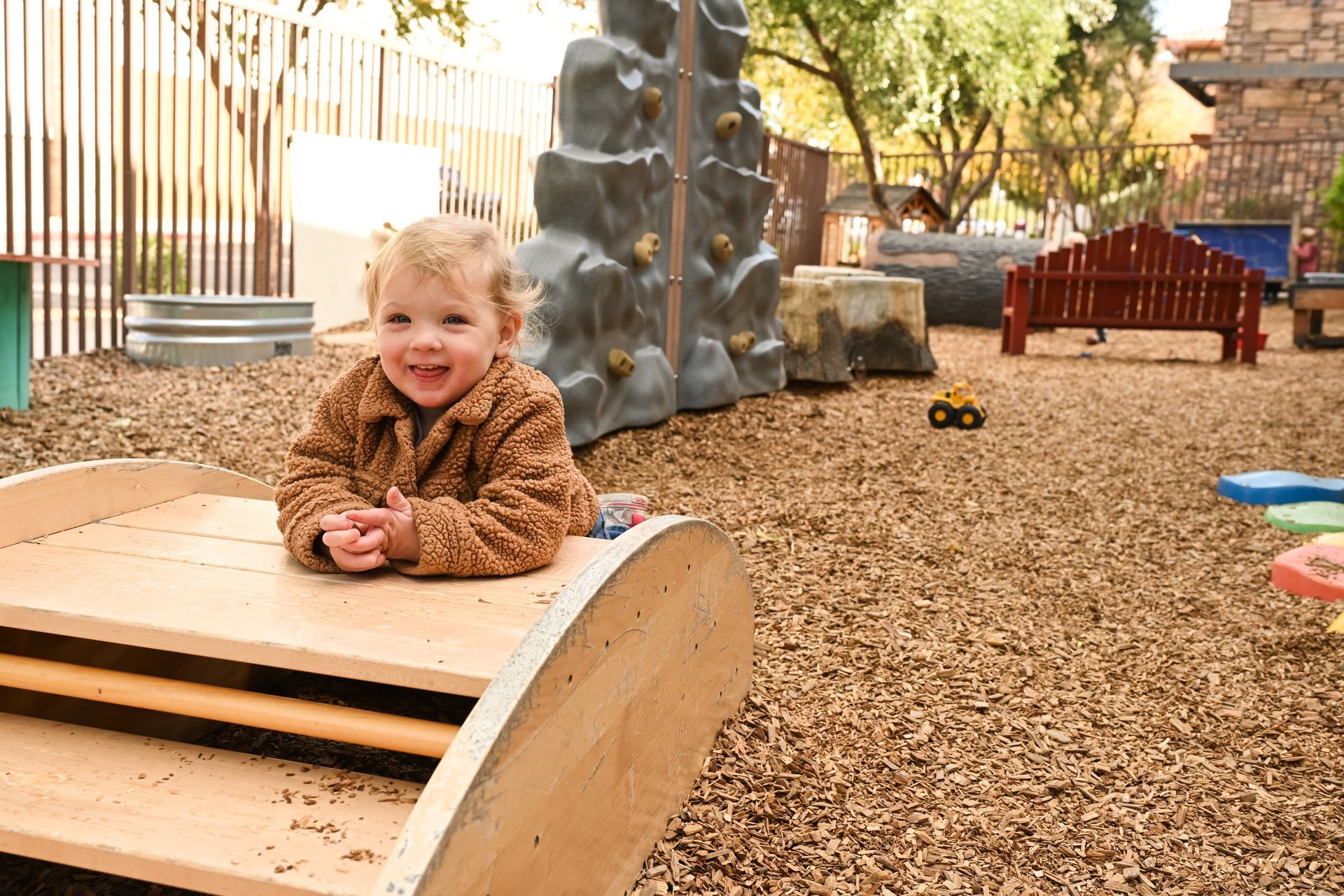
- Toddlerhood through Middle Childhood: Schema refinement continues at a steady pace through active play, climbing, and balance.
- Adolescence: A sudden growth spurt triggers a rapid redesign of their body schema, making physical expression and sports vital for regaining spatial awareness.
How to Support Healthy Body Awareness at Home
1. Encourage "Maximum Effort"
Children love exerting their entire body. Give them opportunities to push, pull, lift, and carry heavy items (within safe limits). Pushing heavy wagons, carrying large baskets, or climbing outdoors grounds their awareness in space.
2. Use Precise Vocabulary for Body Parts
Turn daily routines like dressing or bath time into subtle learning opportunities. Instead of generic language, name specific anatomical parts:
- "Let's slide your elbow through this sleeve."
- "Push your heel down into your shoe."
- "I'm wiping right behind your knee."
3. Play Spatial Awareness Games
Games like Simon Says, mirror imitation, and simple backyard obstacle courses challenge older children to coordinate their movements with precision.
Habits to Reconsider
To give children full access to their body mapping, try to avoid these common physical restrictions:
- Over-containing: While car seats and baby containers are necessary for safety, prolonged use limits movement. Prioritize open floor time on a blanket whenever possible.
- Covering Hands and Feet unnecessarily: Hand mittens can block essential tactile exploration at the exact time babies need to learn how their fingers manipulate space.
- Extended Pacifier Use: Prolonged pacifier reliance can blur body boundaries, causing babies to register the object as a physical extension of their mouth.
The Ultimate Goal: A Confident Self-Image
When children receive rich sensory feedback, they develop deep physical confidence and a grounded trust in themselves. A clear body schema lays the foundation for a unified mind and body, nurturing an optimistic, resilient attitude toward life.
Curious how our classrooms foster physical independence and self-confidence?
Schedule a tour today to see our prepared environments in action