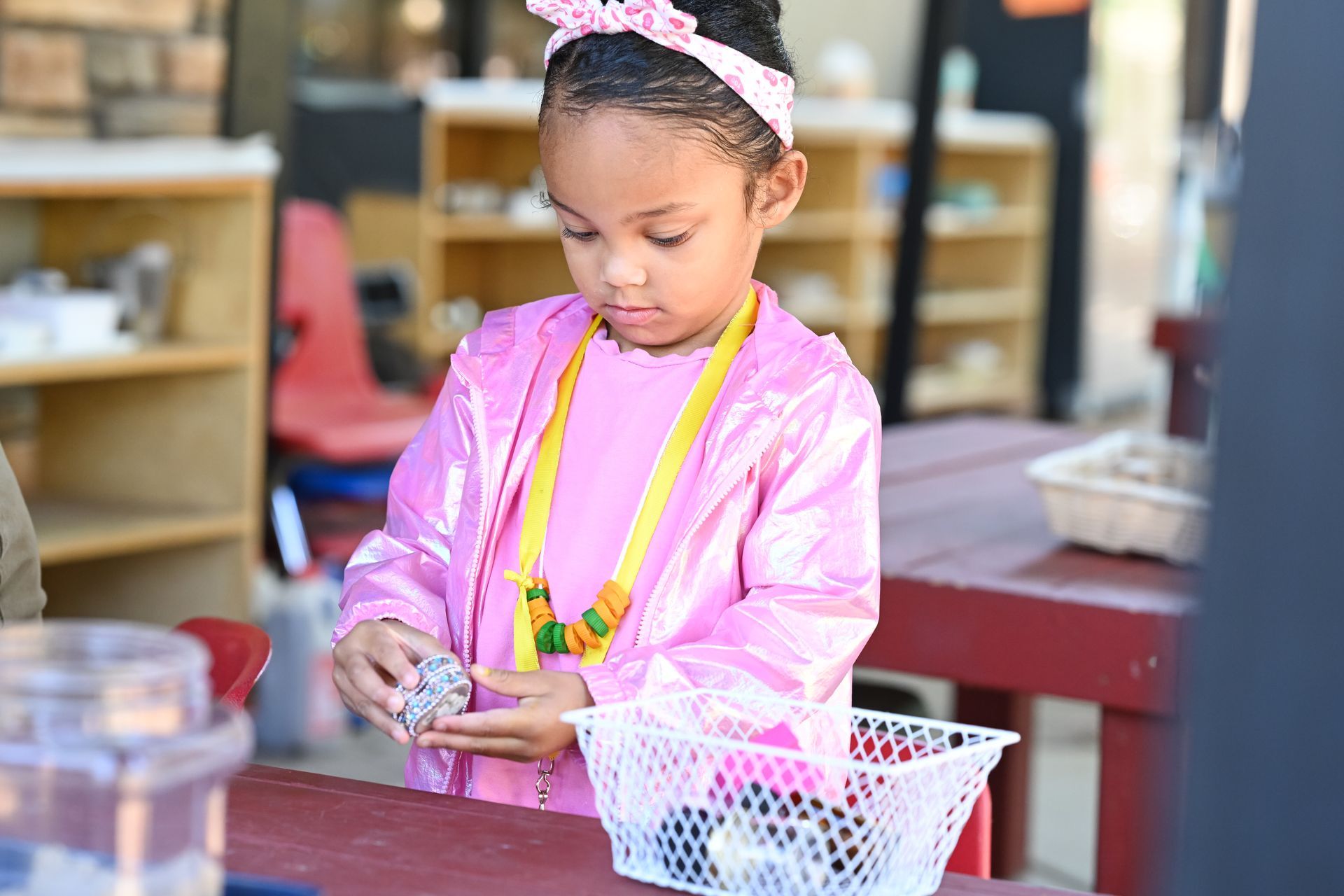
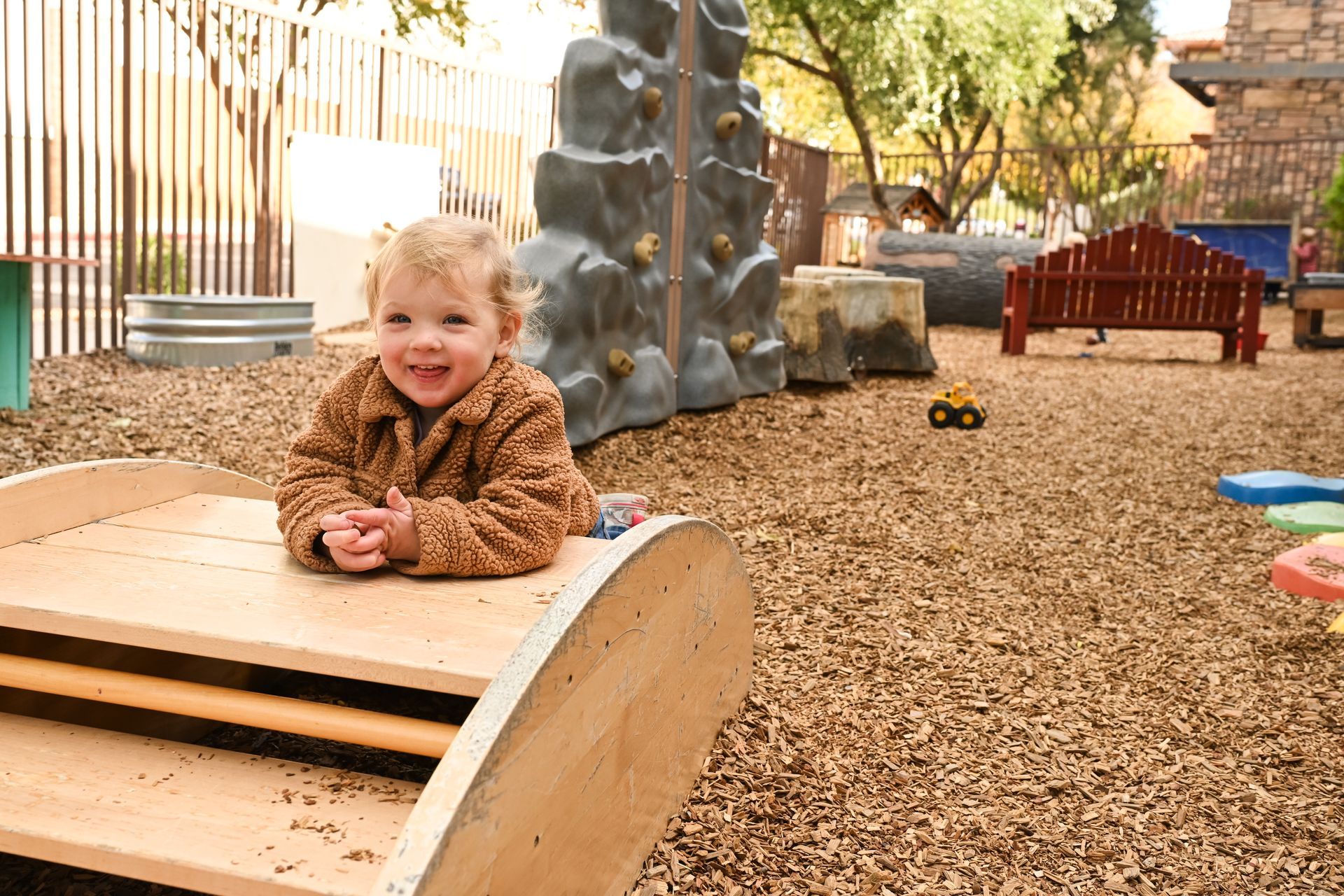
In our daily routines, adults perform countless tasks to maintain our homes, care for ourselves, and support others. Because these activities are second nature to us, we often overlook their transformative power. Young children, however, naturally yearn to participate in the real work of everyday life.
Everything we do to care for our environment, ourselves, and others constitutes what Montessori terms "Practical Life" activities. Far from mere chores, these real-world tasks serve as foundational building blocks in a child’s development. In both home and classroom settings, practical life activities introduce children to cultural norms while fostering internal motivation, intellectual focus, and refined physical coordination.
The Dual Purpose of Practical Life
Practical life activities serve two key purposes: one external and visible, the other internal and developmental.
- The External Purpose: Children engage in real, purposeful tasks with clear outcomes. Washing a table results in a clean table; watering a plant keeps it alive.
- The Internal Purpose: Performing real work builds internal worth, self-reliance, and physical and psychological independence.
The small opportunities we offer early in childhood lay the groundwork for long-term capability. By the time young adults step out into the world, they should be equipped to provide for themselves, take responsibility for their actions, plan for the future, and contribute meaningfully to their communities. Practical life is where that journey begins.
Practicing Self-Care Through Collaboration
Self-care begins in infancy when approached with an attitude of collaboration rather than control. Even before a baby can physically perform a task, they can actively participate in the process.
- Invite inclusion with language: Say, "I’m going to put on your shirt. Let’s guide your arm through this sleeve."
- Offer choice and proximity: Present items directly in front of a child rather than putting them straight into their hands, giving them agency in the action.
As we consistently offer these micro-invitations, a child’s active participation grows from gentle cooperation into complete independence.
Thoughtfully Preparing the Environment
For children to successfully care for their surroundings, the environment must be intentionally prepared. Child-sized materials turn overwhelming tasks into achievable accomplishments.
Key Rule: Work must be real and meaningful—never busywork designed simply to pass the time.
When the impact on the environment is direct and visible, children naturally engage:
- Dry a spill: If the floor is wet, offer a small mop or cloth.
- Tend to plants: If leaves are drooping, provide a small, manageable watering can.
- Prepare a workspace: If a table is sticky, offer a scrub brush and sponge tailored to little hands.
In a Montessori environment, furniture and fixtures adapt to the child: sinks sit at eye level, faucets turn easily, and soap containers hold just enough for a single wash.
Practical Life at Home: Simple Daily Rhythms
Supporting practical life at home does not require elaborate setups. It simply requires predictable routines and accessible organization:
- Laundry: Place a low basket in the bedroom or bathroom for dirty clothes.
- Meal Preparation: Reserve a low kitchen drawer stocked with plates, napkins, and utensils so children can set the table.
- Tidying: Keep toy shelves low and uncluttered so items have a clear, logical home.
9 Checklist Questions for Practical Life Activities
When introducing a new task or setup at home, run it through this quick framework:
- Does it build independence and physical coordination?
- Can the child perform it without constant intervention?
- Does the child possess the prerequisite skills?
- Does it allow for natural repetition?
- Is it culturally relevant and genuinely necessary?
- Is the material orderly, beautiful, and inviting?
- Are the tools correctly child-sized?
- Is the process logical and sequential?
- Is the setup completely safe?
Supporting the Journey
Progress in practical life is rarely linear. Some days a child will eagerly clean a room; other days they will need gentle support. On lower-energy days, step in with loving collaboration rather than taking over completely:
"I see your clothes are still on the floor. Let's pick them up together."
When children internalize these routines, they discover how truly capable they are. They pour deep concentration into their work and experience genuine satisfaction upon completion.
Take a look around your home today: where can your child take ownership of a routine or contribute to the rhythm of the household?
If you would like to see our Montessori environments in person,
schedule a tour today!